

Despite growing awareness and decades of advocacy, gender inequality in the workplace remains persistent. Most responses to these inequalities tend to focus on fixing individuals: mentoring women, offering negotiation workshops, or encouraging resilience. But what if we focused on fixing systems instead? What if gender equity was a design standard?
Across the world, several countries have begun doing exactly that. They are embedding equity into the very structure of work, changing policies, defaults, and expectations so that fairness is the outcome, not the exception.
Here are three innovative examples of equity-by-design that Canada can learn from and adapt:
Here are three innovative examples of equity-by-design that Canada can learn from and adapt:
- Pay Transparency and Gender Pay Gap Correction
- Paid Menstrual Leave
- The Right to Disconnect
1. Pay Transparency and Gender Pay Gap Correction
The idea is simple: make pay data visible. Whenever a pay review uncovers an unexplained gender gap within the same role, employers would be legally required to close the gap, report how they fixed it, and publish the results.

This design is already becoming law across the European Union. In 2023, the EU adopted the Pay Transparency Directive 1. It requires companies to publish salary ranges, share internal pay data, and take corrective action if unjustified gender pay gaps exceed 5%.
The goal is to prevent inequity before it hardens. Linking transparency to accountability moves the burden from workers, who often lack information or bargaining power, to employers, who control pay structures.
Why it matters:
Hidden pay conceals bias. When salary expectations differ by gender, as research consistently shows2 3, they reinforce existing wage gaps. Public ranges level the field at hiring while internal audits surface systemic issues.
What Canada can do:
- Require employers to include pay ranges in all job postings (this is already law in B.C., P.E.I.4, and will take effect in ON in 2026).
- Set a clear rule for correcting gender pay gaps by requiring that when an audit finds a difference of more than 5% in the same role without a valid reason, employers must create a correction plan, adjust salaries, and report on progress
2. Paid Menstrual Leave
Menstrual health is a workplace issue whether it’s acknowledged or not. In 2023, Spain became the first country in Europe to recognize this by legislating paid menstrual leave (Japan has been legal right since 1947 and . The law allows workers to take medically certified leave for painful periods, covered by social security. Without this option, many people either lose wages or work through pain, neither of which supports performance, well-being, or retention.
Menstrual health is a workplace issue whether it’s acknowledged or not. While Spain became the first European country to legislate paid menstrual leave in 2023, other parts of the world have long recognized this need. Japan has guaranteed menstrual leave by law since 1947. South Korea allows one day of menstrual leave per month. Taiwan permits three days per year without affecting sick leave quotas. Without this option, many people either lose wages or work through pain, neither of which supports performance, well-being, or retention.
Why it matters:
Workplaces are rarely designed with menstrual health in mind. According to a study published in the Journal of Obstetrics and Gynaecology Canada, 17% of respondents reported missing work or school due to menstrual pain. The study5 , which surveyed over 2,000 people, highlights how it can directly impact participation in education and employment if it is not supported. That makes menstruation an unspoken barrier to equity especially for those in frontline or hourly roles with little flexibility.
What Canada can do:
Introduce a protected leave policy, modeled after sick leave. Allow for partial days or remote work as needed while ensuring privacy. Most importantly, communicate clearly that the policy is legitimate, confidential, and supported.
3. The Right to Disconnect
Work doesn’t stop. Emails arrive late. Messages ping overnight. But in countries like France and Australia, workers now have a legal right to disconnect outside of working hours.
France led the way in 2017. Australia followed with federal legislation in 2024, giving employees the right to ignore after-hours communications unless contact is reasonable and necessary.
Why it matters for gender equity:
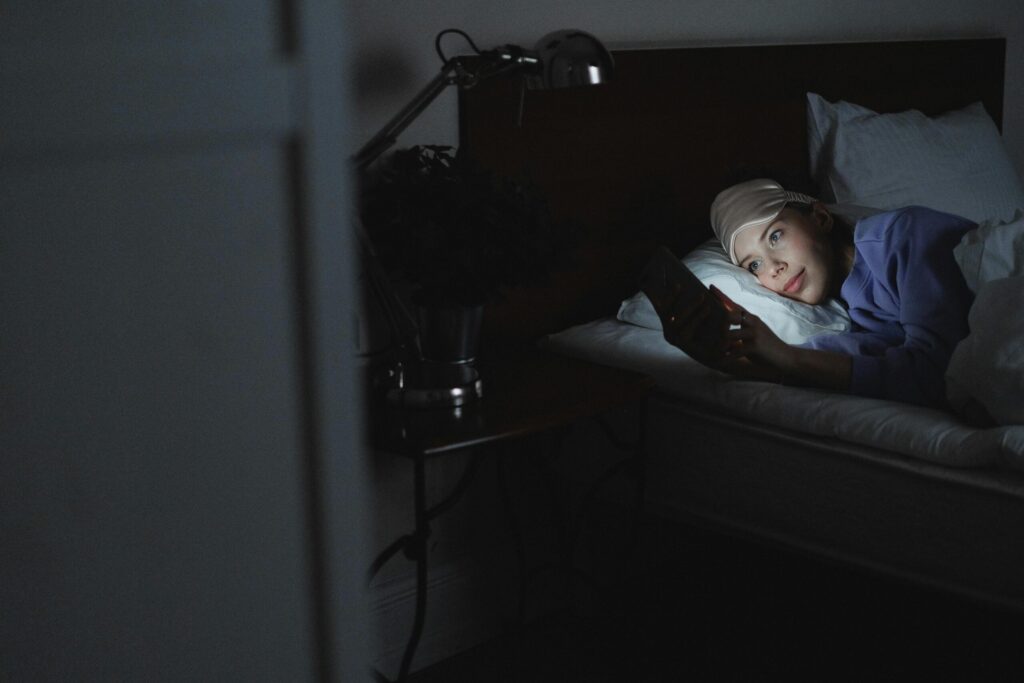
When availability becomes a measure of commitment, it penalizes those with responsibilities outside of the office, particularly caregivers.The right to disconnect establishes boundaries. It makes space for rest, caregiving, and mental health.
What Canada can do:
Build on the progress already made. Ontario currently requires employers with 25 or more employees to implement a written “disconnecting from work”. To strengthen this approach, require employers to define specific off-hours for each role or team (e.g., no work-related emails, calls, or messages between 6 p.m. and 8 a.m. unless there’s an emergency). Disable default push notifications automatically outside those hours and give employees a protected right to disconnect without fear of penalty or retaliation. Also, don’t forget to train managers to understand, respect, and model those boundaries as part of their leadership responsibility.
References
- Council of the European Union. (2025). Pay transparency. Retrieved September 20, 2025, from https://www.consilium.europa.eu/en/policies/pay-transparency/ ↩︎
- Pay Equity Office, Government of Ontario. (2025, January 17). The gender wage gap: It’s more than you think! Pay Equity Office. https://payequity.gov.on.ca/the-gender-wage-gap-its-more-than-you-think/ ↩︎
- Pay Equity Office, Government of Ontario. (2025, January 17). The gender wage gap: It’s more than you think! Pay Equity Office. https://payequity.gov.on.ca/the-gender-wage-gap-its-more-than-you-think/ ↩︎
- Government of Prince Edward Island. (2024, June 6). Pay transparency. Retrieved September 20, 2025, from https://www.princeedwardisland.ca/en/information/workforce-advanced-learning-and-population/pay-transparency ↩︎
- Abushaikha, L., & Oweis, A. (2016). The impact of dysmenorrhea on the quality of life of nursing students. Journal of Pediatric and Adolescent Gynecology, 29(5), 488-492. https://doi.org/10.1016/j.jpag.2016.03.003 ↩︎
